
“We’re not ready yet.”
It’s a sentence I’ve heard in boardrooms more times than I can count.
Sometimes it comes from a CHRO. Sometimes from a business leader. Occasionally from a hiring manager who genuinely wants to do the right thing but isn’t sure where to begin.
Through my work at Atypical Advantage over the past few years, I’ve had the opportunity to partner with organizations at very different stages of their inclusion journey; from those taking their first steps towards disability inclusion to others that have spent years investing in accessibility, inclusive hiring, and workplace culture. Despite the differences in maturity, one observation has remained remarkably consistent.
The biggest barrier is rarely unwillingness.
It’s uncertainty.
I remember a conversation with a hiring manager who paused before we could even discuss recruitment strategies. “We’re keen to hire,” she said, “but what if we don’t know the accommodations they’ll need? What if we unintentionally get it wrong?” On another occasion, a business leader admitted, “We genuinely want to do this. We just don’t know where to begin.”
Those conversations have repeated themselves in different forms over the years. Rarely have I encountered organisations saying they don’t want to become more inclusive. More often, I’ve met leaders who are worried about making mistakes, saying the wrong thing, or falling short despite good intentions.
That realisation changed the way I think about allyship. Allyship doesn’t begin when we have all the answers. It begins when we’re willing to ask better questions.
For years, we’ve spoken about inclusion through the language of policies, compliance, frameworks and initiatives. These are essential foundations. Yet when I think back to the conversations that have stayed with me, very few are about policies.
I was once facilitating a disability sensitisation workshop when we discussed the difference between sympathy and empathy. Towards the end of the session, one participant reflected on his experience of being a scribe for a visually impaired candidate. Wanting to help, he had written what he believed was the correct answer instead of what the candidate had dictated. “I thought I was helping,” he admitted. “Now I realise I was taking away the person’s opportunity to demonstrate what they actually knew.”
The room fell silent. It wasn’t because anyone had acted with bad intent. It was because many of us recognised ourselves in that story. We often confuse doing more with doing better. Allyship isn’t about stepping in; it’s about creating the conditions for someone else to participate with dignity, autonomy and choice.
That’s why people rarely remember policies. They remember people.
They remember the manager who asked, “What would make this easier for you?” instead of assuming what support was needed. They remember the colleague who quietly shared an accessible version of a presentation before anyone had to ask. They remember someone describing what was on a slide because they knew not everyone experienced information in the same way.
Somewhere along the way, we’ve also made allyship sound much bigger than it really is. Culture is shaped by the decisions people make when no one is measuring them.
One of the biggest shifts I’ve witnessed while working on accessibility is how organisations initially define it. Conversations almost always begin with ramps, elevators and accessible washrooms. Those conversations matter, but they rarely end there.
As teams begin looking more closely, they discover barriers hidden in everyday work, documents that screen readers cannot interpret, presentations built entirely around visuals, meetings without captions, or everyday processes that unintentionally exclude. Accessibility often exists in forms we don’t immediately recognise because we’ve been conditioned to see it primarily through a physical lens.
Perhaps that’s why I’ve come to see accessibility as less of a compliance requirement and more of a leadership capability. Accessibility isn’t something an organisation achieves through a single initiative. It’s something people practise through hundreds of everyday decisions.
As conversations around the future of work continue to revolve around AI, automation and hybrid workplaces, I find myself returning to a much simpler question: As work evolves, are we making it easier for more people to participate meaningfully?
Technology will continue to transform how we work. Human behaviour will continue to determine how work feels.
Years from now, very few employees will remember the wording of an Equal Opportunity Policy. But they will remember the manager who listened before making assumptions, the colleague who created space for their voice, the recruiter who saw potential before limitation, and the leader who admitted they didn’t have all the answers but chose to learn anyway.
Perhaps that’s what allyship has always been; not a title we earn or a campaign we participate in, but the quiet decision, made over and over again, to leave every interaction just a little more inclusive than we found it.
Because in the end, people may admire policies, but they remember people.
The Ally Next Door: The Conversations That Changed How I Think About Inclusion

The biggest barrier is rarely unwillingness. It's uncertainty.
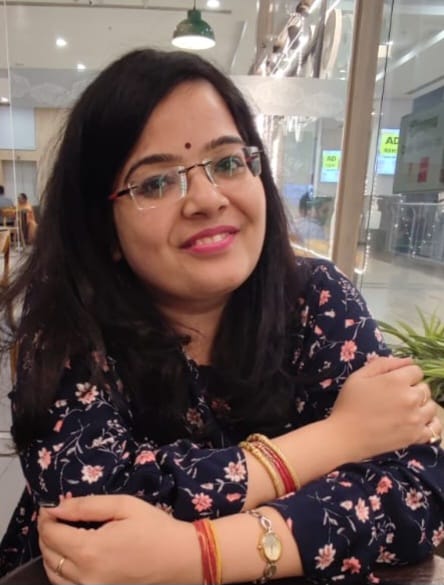
Saumya Mishra
Saumya Mishra is the Co-Founder and Head – Inclusion Enablement at Atypical Advantage, where she partners with organizations to build more inclusive, accessible, and people-centric workplaces. With over 11 years of experience spanning education, social impact, leadership development, and workplace inclusion, she brings a unique perspective shaped by working across education, grassroots development, and corporate India. Through her work, she has led and contributed to initiatives that have engaged thousands of employees across leading organizations, helping translate the principles of inclusion into practical workplace behaviours. Her work focuses on helping organizations embed accessibility, inclusive leadership, and workplace inclusion into business strategy, employee experience, and organizational culture.
Disclaimer:
The views and opinions expressed in this article are those of the authors/interviewees and do not necessarily reflect the official policy, position, or endorsement of this channel. The information provided is for general informational purposes only. We make no representations or warranties of any kind, express or implied, about the completeness, accuracy, or reliability of the information.
Share this article
Related Posts
As organizations race to adopt AI, automate workflows and improve …
As the CHRO of Motovolt Mobility, I have come to …
For most of my career, I’ve had a quiet theory …
There was a time when the success of an HR …
The workplace is no longer a place. The employee is …
One Response
What resonated with me most was your point that accessibility and inclusion are not merely compliance requirements, but a leadership capability.
Policies and frameworks are important, but ultimately, culture is shaped by the everyday decisions leaders and managers make. And equally powerful is your point that people remember behaviour more than policies—they remember how a leader made them feel, whether they were heard, supported and given the space to contribute.
As leaders, perhaps our real responsibility is not just to create inclusive policies, but to translate those policies into everyday behaviour. Very thought-provoking perspective, Saumya. Thank you for sharing this.